Increase Prominence: Comprehensive SEO Assistance for Every Vertical
In today's digital landscape, maximizing visibility through thorough optimization services is imperative for firms across all niches. This approach not only strengthens online awareness but also attracts a targeted audience. By concentrating efforts on specialized methods such as keyword exploration and local optimization, companies can drive organic traffic and improve their search rankings. However, the endeavor doesn't finish there. Understanding the critical aspects of SEO can reveal deeper insights into enduring development and influence in the market.
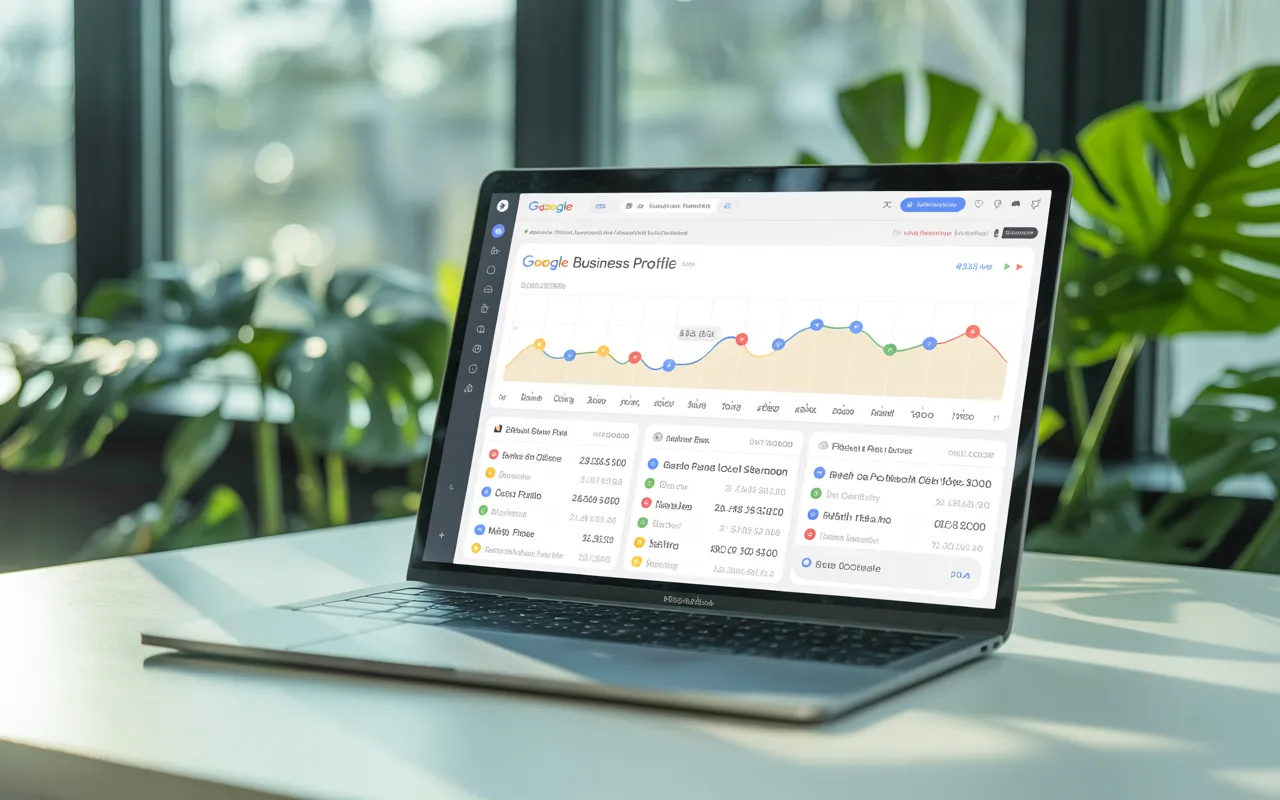
Why Search Engine Optimization Is Critical for Your Niche
Across the competitive landscape of digital marketing, the criticality of SEO for any specific market cannot be overemphasized. SEO serves as an necessary instrument that maximizes internet presence, making it necessary for firms aiming to pull in targeted audiences. By refactoring pages and composition, businesses can improve their ranking positions, pushing legitimate visitors to their websites. This becomes very critical in niche sectors where competitive pressure may be intense but specific.
Effective SEO strategies empower businesses to identify relevant keywords, interpret audience intent, and modify content accordingly. As niche markets often exhibit unique demands, capitalizing on SEO not only contributes to attracting potential customers but also in establishing authority within that specific field. Consequently, the incorporation of SEO into a business's digital strategy is not just beneficial; it is crucial for long-term success, ensuring that the brand remains competitive and relevant in its niche.
Critical Factors of SEO for Business Growth
While many factors affect successful SEO, several critical aspects prove to be crucial for business growth. First, keyword analysis acts as the bedrock for effective improvement, permitting businesses to identify relevant terms that target audiences are seeking. Second, on-page SEO, featuring page metadata, headers, and content quality, confirms that web documents are designed to be easily understood by search engine crawlers.
Third, technical SEO operates as a critical component in boosting site capability, emphasizing factors such as loading speed, responsive design, and secure connections. Additionally, quality backlinks from trusted sources strengthen domain influence, conveying reliability to search engines. Finally, local SEO approaches are imperative for enterprises trying to engage local customers, enhancing listings on platforms like Google My Business. Together, these elements create a robust system that enhances visibility, brings in traffic, and ultimately contributes to business achievement in competitive online landscapes.
Matching Your SEO Strategy With Your desired market
Comprehending the customer base is important for creating an productive SEO strategy. Adjusting content to cater to the unique requirements and preferences of the target demographic can substantially increase participation and conversion rates. Through conducting in-depth audience research, enterprises can pinpoint essential characteristics including interests, conduct, and pain points.
This understanding enables the creation of pertinent keywords that connect with prospective users, ensuring that the content is both discoverable and appealing. Additionally, understanding the audience helps in optimizing website design, usability, and social engagement, all of which are critical components of an effective SEO strategy.
Incorporating user feedback and performance data into ongoing SEO efforts enables steady refinement. By aligning SEO efforts with the target audience’s demands, businesses can foster stronger connections, raise organic traffic, and ultimately drive growth. In a dynamic digital landscape, this alignment is not just valuable; it is imperative for long-term success.
Establishing Successful Local SEO Frameworks
Effective local SEO strategies are critical for businesses seeking to pull in close customers. This involves maximizing Google My Business listings, utilizing local vocabulary, and generating local backlinks to enhance prominence in local search results. By emphasizing these elements, companies can greatly strengthen their local online presence.
Maximize Google My Business
A finely optimized Google My Business (GMB) listing can dramatically boost a local business’s online profile in search results. To achieve this, businesses should confirm their details are complete, including name, address, phone number, and hours of operation. High-quality visuals such as clear images of products or services can capture potential customers. Motivating satisfied clients to leave positive reviews adds to credibility and boosts search rankings. Regularly updating the listing with posts about promotions or events keeps the content relevant. Additionally, leveraging GMB features like Q&A and messaging can boost customer interaction. By applying these methods, businesses can effectively optimize their GMB listings, leading to greater foot traffic and a more authoritative local presence.
Harness Local Keywords
While a lot of firms focus on general keywords, leveraging local keywords can significantly improve visibility in specific markets. Local keywords are essential for targeting audiences in particular geographic areas, enabling companies to attract customers who search for nearby services. By including city names, neighborhoods, or regional terms in their SEO strategies, businesses can boost their rankings in local search results. Furthermore, using tools like Google Keyword Planner can help identify high-traffic local keywords relevant to a business's niche. It is additionally valuable to analyze competitors to determine which local terms are driving their traffic. Ultimately, a focused strategy on local keywords not only improves visibility but also builds stronger relationships with the community, leading to higher conversion rates.
Create Regional Backlinks
Developing community-based backlinks is a critical factor of a effective local SEO plan. These backlinks, secured from trusted local sources, enhance a business's credibility and influence within its community. Effective ways to build local backlinks include working with local organizations, sponsoring community events, and collaborating with nearby businesses. Additionally, adding your business to local directories and engaging in local online forums can produce valuable links. Creating superior, locally relevant content also draws backlinks, as other sites recognize its importance. By giving priority to local backlinks, businesses can enhance their search engine rankings and connect more effectively with their target audience. This strategic approach cultivates relationships within the community while boosting online visibility and generating local traffic.
Technical SEO: Important Aspects for Achieving Excellence
Technical SEO acts as the foundation of an effective online footprint, guaranteeing that websites are optimized for search engine crawlers. Important elements consist of website speed, mobile-friendliness, and encrypted protocols. A fast-loading site enhances user satisfaction and reduces bounce rates, essential for ranking on search engines. Mobile optimization is important, as an increasing number of users access websites via mobile devices. Implementing responsive design guarantees that content displays properly across devices.
Additionally, suitable similar information URL structure and the use of XML sitemaps facilitate easier crawling and indexing. Schema markup enhances the visibility of content in search results by delivering context to search engines. Regularly auditing website health, addressing broken links, and optimizing images further contribute to a website's overall health. By handling these technical elements, businesses can create a strong foundation that supports their broader SEO strategy, ultimately driving to improved visibility and user engagement.
Evaluating SEO Results: Analytics and Key Performance Indicators
Measuring SEO effectiveness depends on the capacity to evaluate relevant data and metrics effectively. Key performance indicators (KPIs) such as organic traffic, keyword rankings, and transaction completion percentages offer understanding of a website's results. Analyzing natural visitor flow helps determine how many visitors engage with the site, while keyword rankings reveal the effectiveness of targeted strategies.
Taking advantage of platforms such as Google Analytics enables monitoring user activity, bounce rates, and session durations, offering a thorough picture of website engagement. Additionally, tracking backlinks and domain authority can indicate the success of off-page SEO efforts.
In conclusion, assessing SEO outcomes demands a mix of quantitative data and expert judgment. By periodically examining these metrics, companies can adjust their strategies, strengthening prominence and reaching their marketing goals. Perpetual evaluation ensures that SEO efforts remain aligned with changing competitive landscapes, enabling persistent expansion and superior digital standing.
Questions People Ask Regularly
What Timeframe Should You Expect for SEO Outcomes?
Generally, it takes three to six months to see measurable SEO gains. Considerations such as competitive pressure, current website status, and chosen strategies determine this timeline, making individual achievements range considerably across different businesses and niches.
What Are Prevalent SEO Blunders to Evade?
Standard SEO mistakes feature bypassing keyword investigation, ignoring mobile optimization, using duplicate content, skipping updates to aged information, omitting local optimization efforts, and sidestepping analytics review, which can diminish overall website performance and visibility.
Can I be capable of Doing SEO independently?
Yes, people can perform SEO on their own. However, it demands consistent learning and adaptation to ever-changing algorithms. Success often copyrights on commitment, investigation, and understanding of best practices to achieve effective results.
When Should I Adjust My SEO Strategy?
Updating an search engine optimization approach should occur regularly, ideally every few months. Frequent analysis of key performance indicators and search engine algorithm updates guarantees relevancy and effectiveness, allowing businesses to adapt and sustain a competitive edge in their respective markets.
What tools Are Best for SEO Analysis?
Essential platforms for search engine optimization analysis comprise Google Analytics, SEMrush, Ahrefs, Moz, and Screaming Frog. Each delivers specialized functions for keyword research, backlink analysis, and website audits, assisting users to enhance their online presence.